
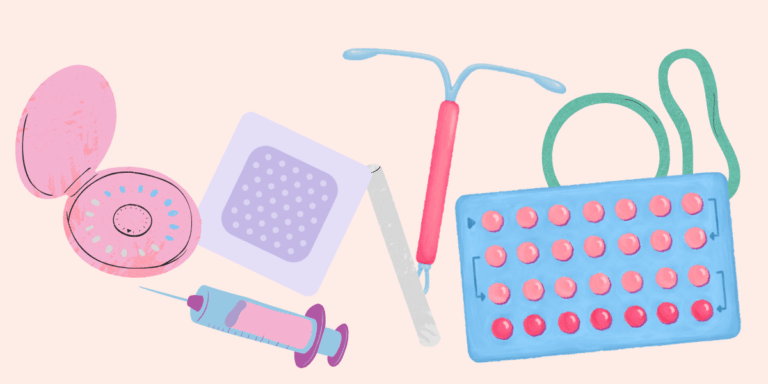

Then comes the bigger question: How does it even work?
If you've ever wondered how that little pill, patch, or IUD stops pregnancy, you're in the right place.
At A Step Ahead Chattanooga, we think knowing how your birth control works helps you make better choices and feel more confident about them.
Hormonal birth control methods release hormones into your body that prevent pregnancy mainly by stopping ovulation. They also thicken cervical mucus and thin the uterine lining (ACOG).
For a simple comparison of every method, check out our Birth Control Guide.
"Birth control stops your period forever."
TruthSome methods can make your period lighter or stop it while you're using them. But your cycle usually goes back to what is normal for you once you stop taking birth control (ACOG).
"You can't get pregnant on birth control."
TruthNo birth control method works 100% of the time, except abstinence. Even the most effective options, like IUDs and implants, are over 99% effective but not perfect, according to the CDC. If you use the pill, patch, or ring the way most people do (typical use), about 9 out of 100 users will get pregnant in a year. IUDs and implants are over 99% effective; less than 1 out of 100 users will get pregnant.
"Birth control causes infertility."
TruthIt doesn't. Your ability to get pregnant goes back to your baseline fertility pattern shortly after you stop using birth control methods (ACOG).
"If I'm on birth control, I don't need condoms."
TruthOnly condoms protect you from STIs (CDC). Using condoms plus another method gives you the best protection against both pregnancy and STIs.
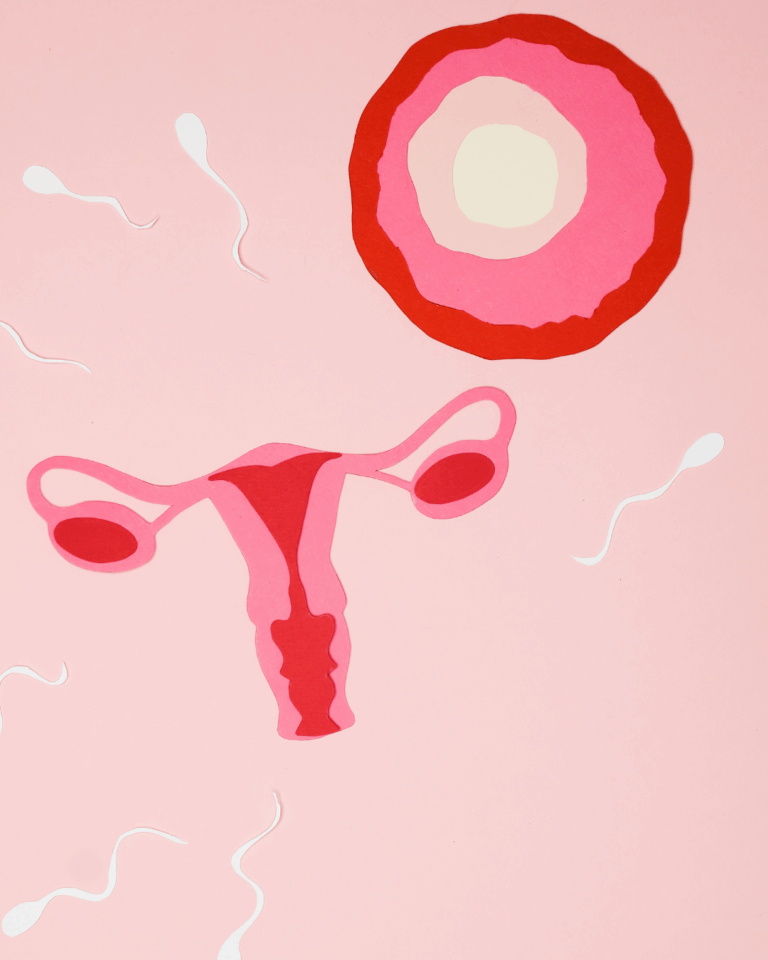
Hormonal birth control works by interrupting one or more of these steps.
Hormonal birth control methods release hormones into your body. These hormones prevent pregnancy mainly by stopping ovulation (the release of an egg from your ovaries). They also cause other changes in your body that help prevent pregnancy. The mucus in your cervix thickens, making it difficult for sperm to enter the uterus (much like swimming through Jell-O). The lining of the uterus also thins (ACOG).
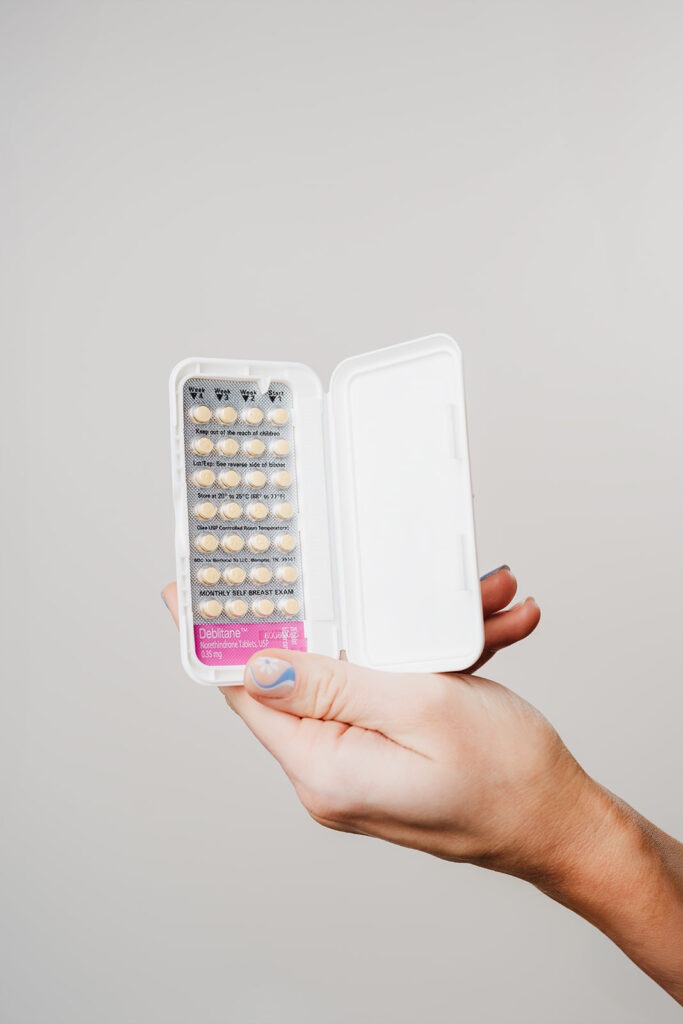
With methods like the pill, patch, or ring, perfect use means taking or changing them exactly as directed, every time. But in real life (typical use), people aren't always perfect, so effectiveness drops.
IUDs and implants don't rely on memory, so typical use is just as effective as perfect use (CDC).
For a simple comparison of every method, check out our Birth Control Guide.
It happens. If you're late or forget, use a backup method like condoms or don't have sex until you've used your regular method correctly for at least 7 days (ACOG).
If you're not sure what to do, check your method's instructions or call your healthcare provider.
This is one of the most common questions we get. The answer depends on which method you use.
These usually make periods lighter and more regular. Some people skip periods completely by skipping the placebo week. Spotting is normal in the first few months.
About half of users stop getting periods after a year. Irregular bleeding or spotting is common at first.
Many users get lighter periods or no period over time. Spotting and irregular bleeding are common in the first 3–6 months.
About 1 in 3 users stop getting periods. Others may have irregular bleeding, especially in the first year.
These can cause unpredictable bleeding. Some people have lighter periods, while others have spotting between periods.
Think about:
Everyone's different. There's no single "best" birth control, just the one that fits your life. Our Birth Control Guide explains every method in simple terms.
Want to learn more about non-hormonal options? Check out our companion blog:

If you live or go to school in our 18-county service area, A Step Ahead Chattanooga can help you get:
Call our appointment line at 423-265-7837 or visit astepaheadchattanooga.org/FAQs to learn more.