All Your Non-Hormonal Birth Control Options, Explained
Why choose non-hormonal birth control?
Not everyone wants hormones, and that's completely valid.
Maybe you've tried hormonal methods, and they weren't the right fit for your body. Maybe you have a medical reason to avoid them. Or maybe you just prefer to let your natural cycle do its thing.
Whatever your reason, you have effective options. Non-hormonal birth control works completely differently from hormonal methods.
This post is for general information only and is not medical advice. For guidance about your own health, talk with your healthcare provider.
The quick version
Non-hormonal methods prevent pregnancy without affecting your hormones or cycle:
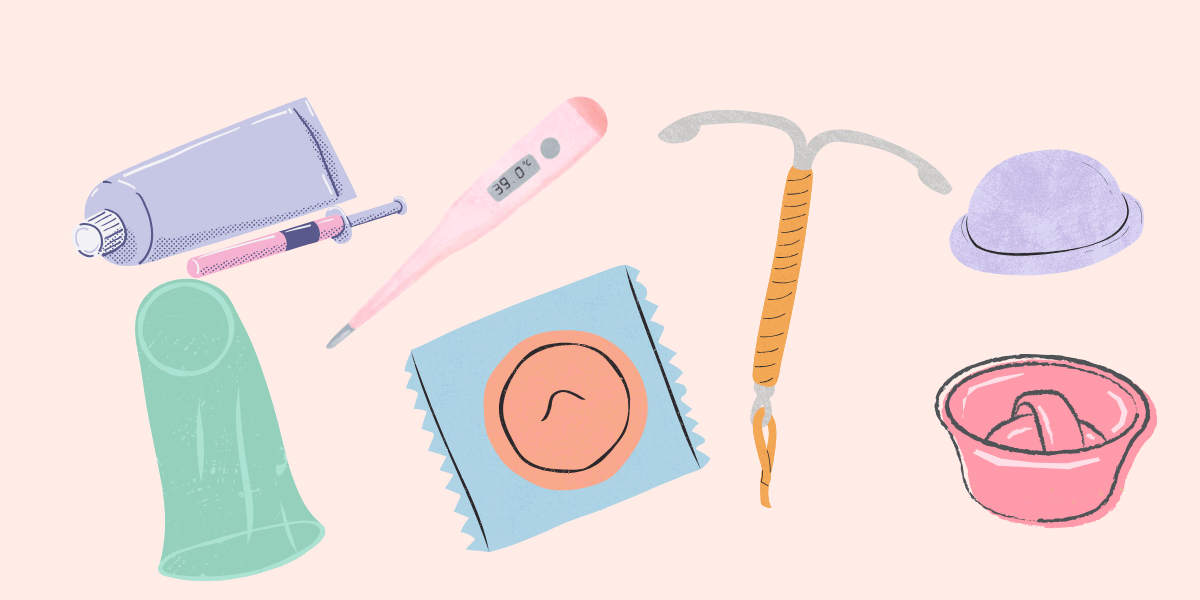
Copper IUDOver 99% effective, lasts 10 to 12 years
Condoms87% effective with typical use, protect against STIs
Diaphragm and cervical cap71% to 88% effective with typical use
Phexxi (vaginal gel)86% effective with typical use, requires a prescription
Spermicide72% effective alone with typical use, better when combined with barriers
Fertility awareness76% to 88% effective with typical use, requires daily tracking
Unlike hormonal methods that stop ovulation or thicken cervical mucus, non-hormonal methods work by creating physical or chemical barriers that stop sperm from reaching an egg.
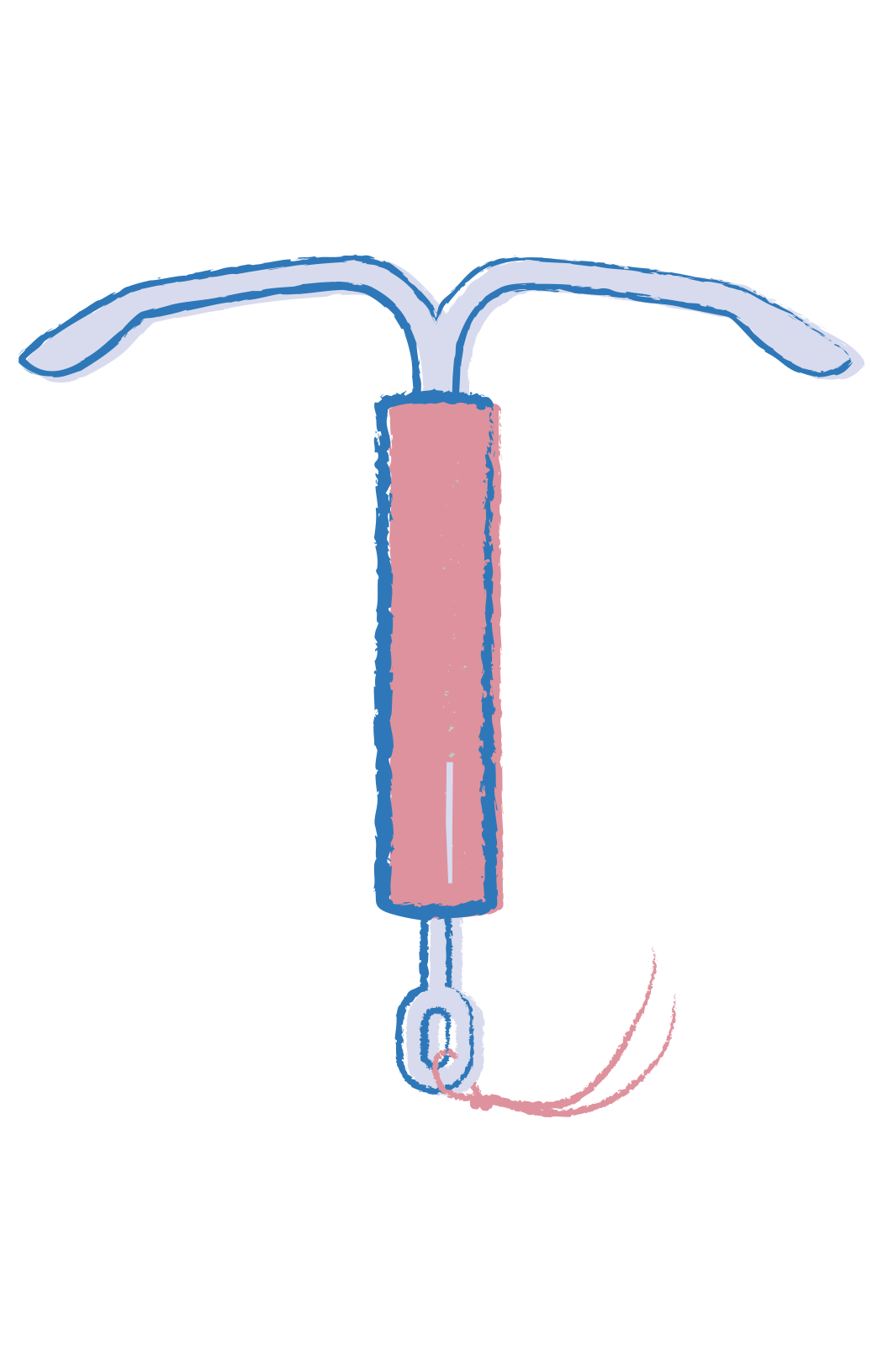
The copper IUD releases small amounts of copper into the uterus, creating an environment where sperm can't survive or function properly. Think of it like sperm repellent. It does not affect ovulation or your hormones; your natural cycle continues as usual.
Effectiveness: Over 99%
Duration: 10 to 12 years (FDA-approved for 10 years; research shows effectiveness through 12 years)
Inserted by a healthcare provider during an office visit
Can be removed at any time, and fertility returns to what is normal for you immediately after removal
Best forPeople who want long-term, set-it-and-forget-it protection without hormones.
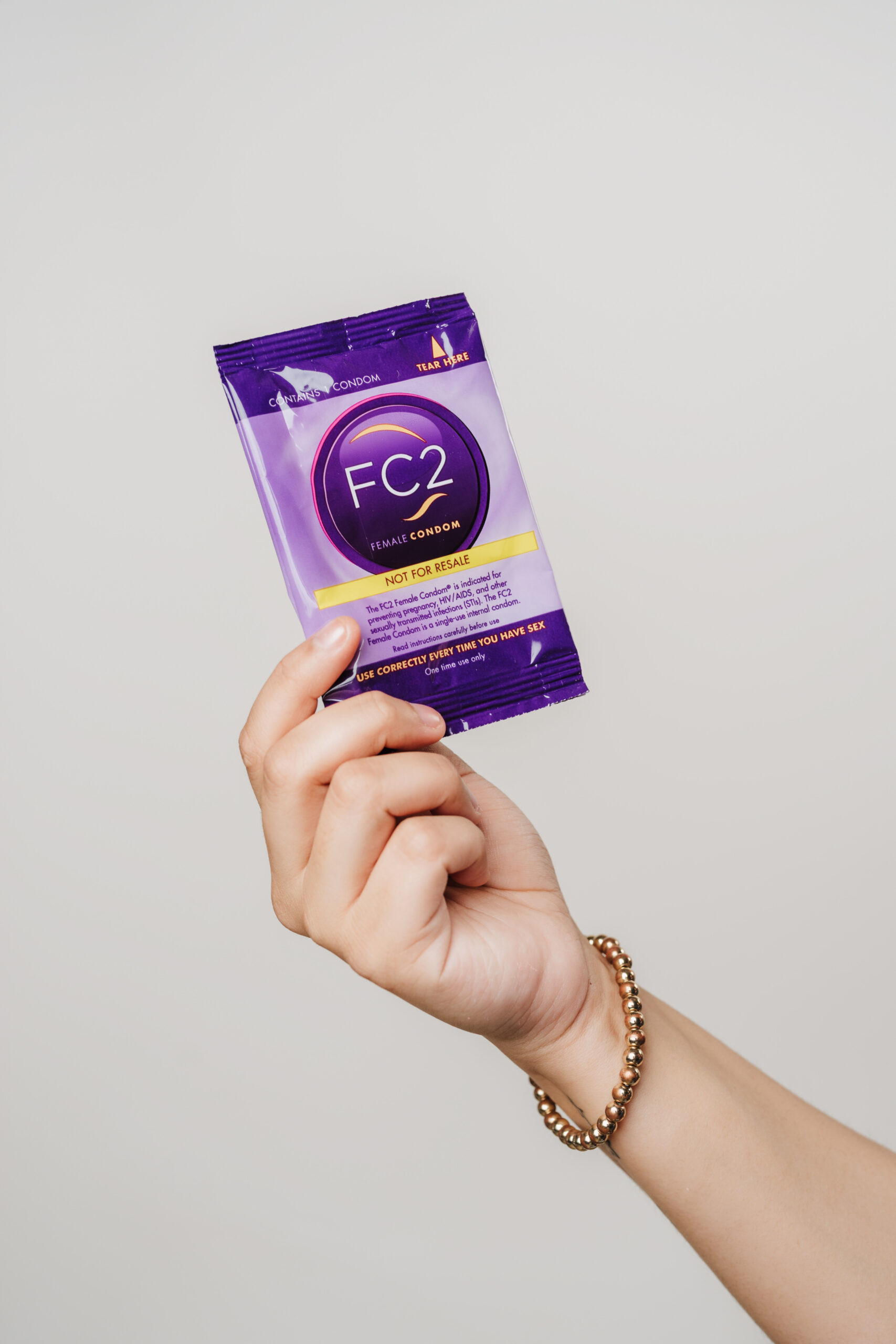
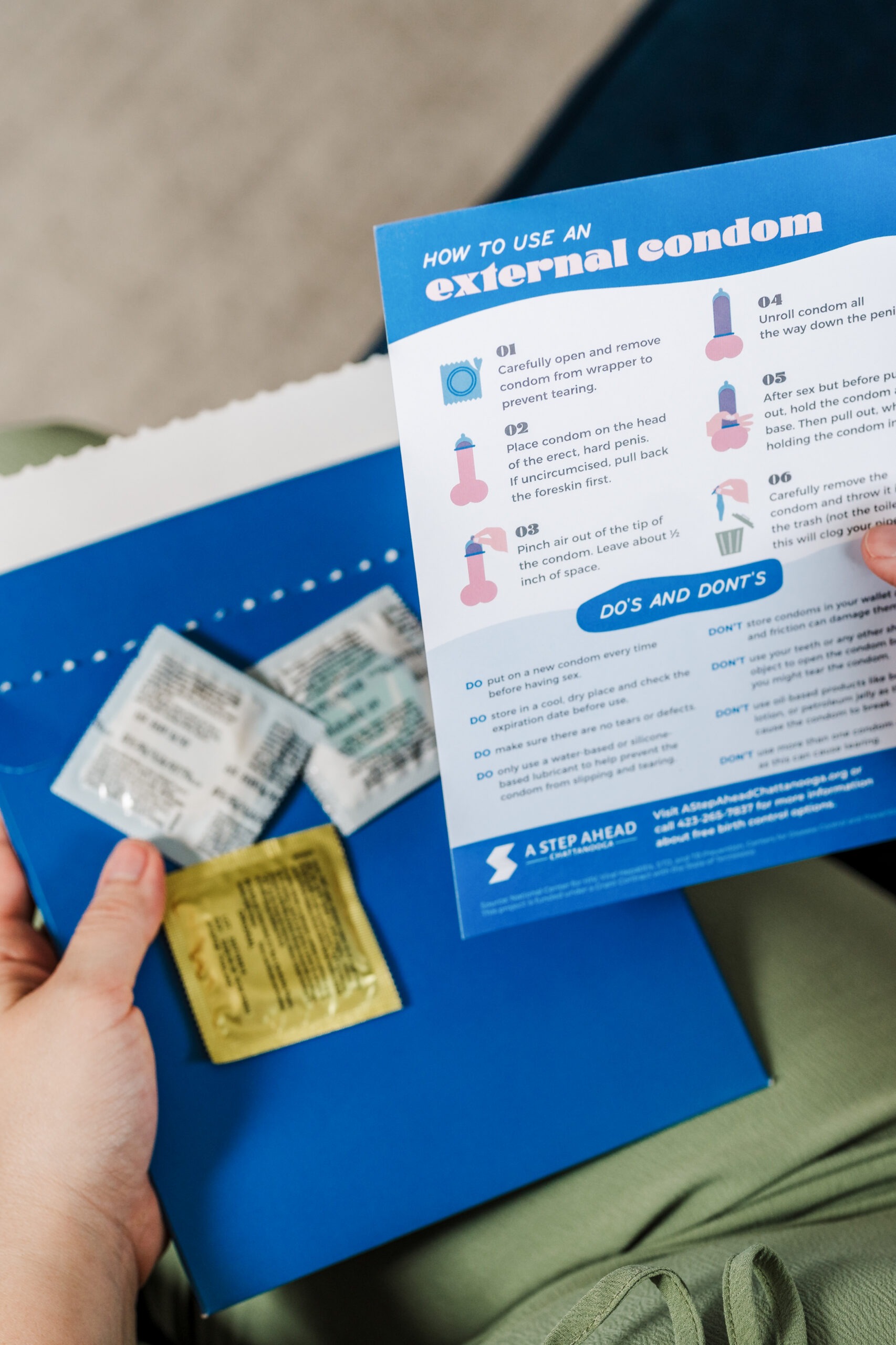
Condoms create a physical barrier that blocks sperm from entering the uterus. They're the only birth control method that also protects against sexually transmitted infections (STIs).
Effectiveness: About 87% with typical use (98% with perfect use)
Types: External condoms (worn on the penis) and internal condoms (inserted into the vagina)
Used at the time of sex, with no daily routine or provider visits needed
Available over the counter or free at many clinics
Best forSTI protection, backup protection with another method, or anyone who wants a simple, accessible option.
If you live in our 18-county service area, you can request free condoms mailed directly to you.
Other barrier methods (diaphragm and cervical cap) 71% to 88% typical use
How they work
These methods create a physical barrier that covers the cervix and blocks sperm from entering the uterus. They must be used with spermicide (a gel that kills or stops sperm) to be effective.
Effectiveness: 71% to 88% with typical use (varies by method and whether you've given birth)
According to research published in the National Library of Medicine, the diaphragm is 80% to 94% effective when used with spermicide, and the cervical cap is 80% to 91% effective for people who have not given birth, but only 60% to 80% effective for people who have given birth
Both require a prescription and proper fitting by a provider
Must be inserted before sex and left in place for 6 to 8 hours after
Best forPeople who want a non-hormonal option they can control and can't or don't want to use an IUD.
Spermicide is a chemical (usually nonoxynol-9) that kills or slows down sperm. It comes as a gel, foam, cream, or suppository that you insert into the vagina before sex.
Effectiveness: Only 72% effective when used alone, according to the CDC's 2024 Medical Eligibility Criteria for Contraceptive Use
Works better when combined with barrier methods like condoms or diaphragms
Available over the counter
Must be inserted 10 to 15 minutes before sex (timing depends on type)
Important: Frequent use can cause irritation and urinary tract infections (UTIs), and may increase STI risk.
Best forUsing as a backup with other methods like condoms. Not recommended as a primary method on its own.
Phexxi is a prescription vaginal gel that temporarily changes the pH of your vagina, making it harder for sperm to move. Unlike spermicide, it doesn't kill sperm; it just makes the environment less sperm-friendly.
Effectiveness: 86% with typical use (93% with perfect use)
Requires a prescription
Must be inserted immediately before or up to 1 hour before sex
Works for one hour; use a new dose for each act of sex
Does not protect against STIs
Best forPeople who want an on-demand, non-hormonal option that's more effective than spermicide alone.
Fertility awareness methods (FAM) 76% to 88% typical use
How they work
These methods involve tracking your menstrual cycle to figure out when you're most fertile (when you could get pregnant). You avoid sex or use another method during your fertile window. Methods include tracking your temperature or cervical mucus, or using cycle-tracking apps.
Effectiveness: 76% to 88% with typical use (depends heavily on correct tracking), according to the CDC
Requires daily tracking and careful record-keeping
Works best for people with regular, predictable cycles
No cost (unless using paid apps or devices)
Takes time to learn and requires partner cooperation
Does not protect against STIs
Best forPeople who want to understand their cycle, have predictable periods, and are comfortable abstaining or using a backup method during fertile days. Not recommended if getting pregnant would be a problem, as it's less effective than other methods.
This is where non-hormonal methods really differ from hormonal ones.
Copper IUD
Because the copper IUD doesn't contain hormones, it doesn't change your cycle. You'll continue to ovulate and have periods like you normally would.
What to expect
Heavier periods, especially in the first 3 to 6 months
Worse menstrual cramps for some people
These side effects often improve over time
Important: If you already have heavy or painful periods, the copper IUD may not be the best choice for you. Talk to your provider about alternatives.
Condoms, barrier methods, spermicide, Phexxi, and fertility awareness
These methods have no effect on your period. Because they all work at or around the time of sex, rather than changing anything in your body on an ongoing basis, your cycle stays the same.
Condoms (external and internal): No effect on your cycle
Diaphragm and cervical cap: Used only at the time of sex, so no hormonal or physical impact on your period
Spermicide: Applied locally and temporarily, with no effect on your cycle
Phexxi: Temporarily changes vaginal pH, not your hormones, so no impact on your period
Fertility awareness methods: Tracks your natural cycle rather than changing it, so your period stays as it is. A regular, predictable cycle actually makes FAM more effective
Hormonal vs. non-hormonal: what’s the difference?
Here's a quick side-by-side:
Feature
Hormonal methods
Non-hormonal methods
Effect on cycle
Can lighten, stop, or make periods more regular
Your natural cycle continues (the copper IUD may cause heavier periods)
How they work
Stop ovulation and/or thicken cervical mucus
Physical or chemical barriers that block sperm
Side effects
May include mood changes, breast tenderness, headaches, nausea
Minimal; the copper IUD may cause heavier periods or cramps
STI protection
Only condoms protect against STIs
Which non-hormonal method is right for you?
Ask yourself:
Do I want long-term protection or something I use only during sex?
Am I okay with potentially heavier periods?
Do I need STI protection?
How important is effectiveness to me?
Do I want something I can start and stop on my own, or am I okay with a provider visit?
Some non-hormonal methods have lower typical-use effectiveness than options like the IUD or implant, meaning there's a somewhat higher chance of pregnancy. But effectiveness is just one piece of the puzzle. Thinking about your lifestyle, your relationship, and how you'd feel about an unintended pregnancy can all help guide you toward the method that's right for you.
Everyone's situation is different. Our Birth Control Guide breaks down every method so you can find what fits your life.
Want to learn more about hormonal options? Check out our companion blog:
Can I use non-hormonal and hormonal methods together?
Absolutely! Many people use condoms alongside hormonal methods for extra protection and STI prevention. This is called “dual protection” and is highly recommended.
Are barrier methods effective enough?
It depends on what matters most to you. According to the CDC, condoms are about 87% effective with typical use and are the only method that also protects against STIs. Research from the National Library of Medicine shows that diaphragms and cervical caps are less effective (71% to 88%), so they're usually better for people who are comfortable with a higher pregnancy risk or who plan to pair them with another method.
Will the copper IUD affect my fertility later?
No. According to ACOG (American College of Obstetricians and Gynecologists), once the copper IUD is removed, your fertility returns to what's normal for you right away. It's one of the most well-studied birth control methods, and decades of research show it does not cause infertility. If pregnancy takes longer than expected after removal, it's usually related to individual health factors, not the IUD itself.
Do I still need to use condoms if I have a copper IUD?
The copper IUD is highly effective at preventing pregnancy, but it does not protect against STIs. If you're at risk for STIs (a new partner, multiple partners, or a partner with other partners), use condoms too.
Neither you nor your partner should feel it during sex. Sometimes a partner can feel the strings, but a provider can trim them shorter if needed.
Do condoms have to be awkward?
Not at all. With practice, they become second nature.
Incorporating condoms into your routine gets easier over time, and the peace of mind (pregnancy and STI protection) is worth it.
You deserve options and support
If you live or go to school in our 18-county service area, A Step Ahead Chattanooga can help you get:
Free birth control, no matter your insurance
Any necessary testing related to your birth control appointment (may include a basic exam, birth control counseling, STI testing, or a Pap test, depending on your age and needs)
Answers to your questions about birth control and how to access care
We're not a medical provider, but our team can help you understand your options and connect you with care.
Call our appointment line at 423-265-7837 or visit our FAQ page to learn more.


 Companion blogHow Hormonal Birth Control Actually Works