
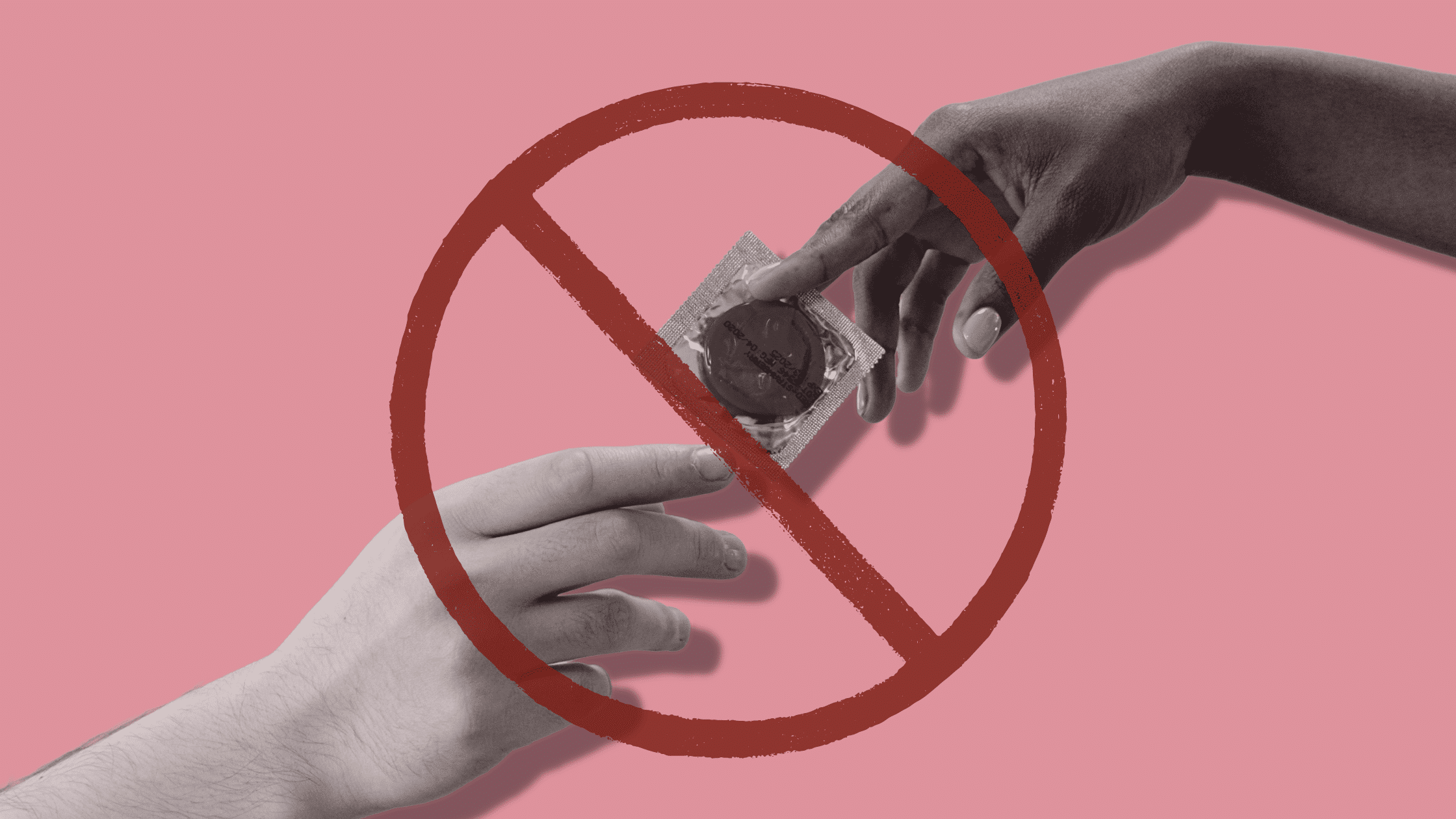
Abuse in a relationship doesn't always look the way people expect. Recognizing the different forms it can take helps us support people who have been through it or who are in an unhealthy relationship right now.
“Domestic abuse, also called ‘domestic violence’ or ‘intimate partner violence,’ can be defined as a pattern of behavior in any relationship that is used to gain or maintain power and control over an intimate partner.”
Source: United Nations, What Is Domestic Abuse?.
That control can be physical, emotional, financial, or sexual. Reproductive coercion is one of the least talked-about forms of abuse, and it can have a lasting impact on the direction of someone's life.
Reproductive coercion is when someone tries to control another person's decisions about birth control and pregnancy. For example, a partner may pressure someone to get pregnant, or interfere with their birth control, as a way to keep them in the relationship. It may sound rare, but it happens more often than many people think.
Anyone can experience reproductive coercion. A 2019 study of 550 sexually active high school students who sought care at school health centers in California found that about 1 in 8 had experienced reproductive coercion in the previous three months.
Reproductive coercion can include a partner:
The American College of Obstetricians and Gynecologists (ACOG) recommends that healthcare providers regularly ask patients about reproductive and sexual coercion, such as at yearly visits and new-patient visits. ACOG also encourages providers to offer birth control methods that are harder for a partner to notice or interfere with, such as an IUD, the implant, or the shot.
Source: ACOG, Reproductive and Sexual Coercion.
Screening helps, but it isn't the only way to get support. Everyone can learn how to find help and how to respond if someone shares that this is happening to them.
The Hotline is free and confidential, and advocates can help you think through options and connect you with local resources.
If you're in immediate danger, call 911. If you think someone may be checking your phone or computer, consider reaching out from a device they can't access.
In a Hotline survey, 1 in 4 callers reported that a partner had sabotaged their birth control or pressured them to get pregnant, so advocates are familiar with these situations.
Talk to a healthcare provider. Providers can help connect you to resources and talk through ways to protect your reproductive health, including birth control options that are less noticeable to a partner.
If someone shares that they're experiencing reproductive coercion, here are a few ways to respond:
Keep the conversation calm and private. Thank them for trusting you, and let them know it isn't their fault.
Take a breath and give them space to share. Listen to their experience and validate their feelings without rushing to fix things.
They may not see the relationship as unhealthy yet. Labeling the relationship or their partner as abusive can make them pull away. Relationships are complex, and what happens next is their decision. Avoid demanding that they leave or get help; pressure can make them less likely to reach out to you or anyone else in the future.
Asking, “Have you thought about ways to get more support?” can open the door to more conversation. Get familiar with community resources, like the National Domestic Violence Hotline, so you can share them.
Know the reporting laws in your state. If the person sharing with you is under 18, you may be required to report it. In Tennessee, every person is considered a mandatory reporter of child abuse. Laws are different in Georgia and Alabama, so check the rules where you live.
Source: Tennessee Department of Children's Services, Reporting FAQs.
They may hesitate to reach out for help at first. Keep the door open for future conversations. Every situation is different, but the best thing anyone can do is lead with compassion and listen.
A Step Ahead Chattanooga provides free birth control across our 18-county service area through our clinical partners, regardless of insurance status.
Get Free Birth Control Compare Methods