
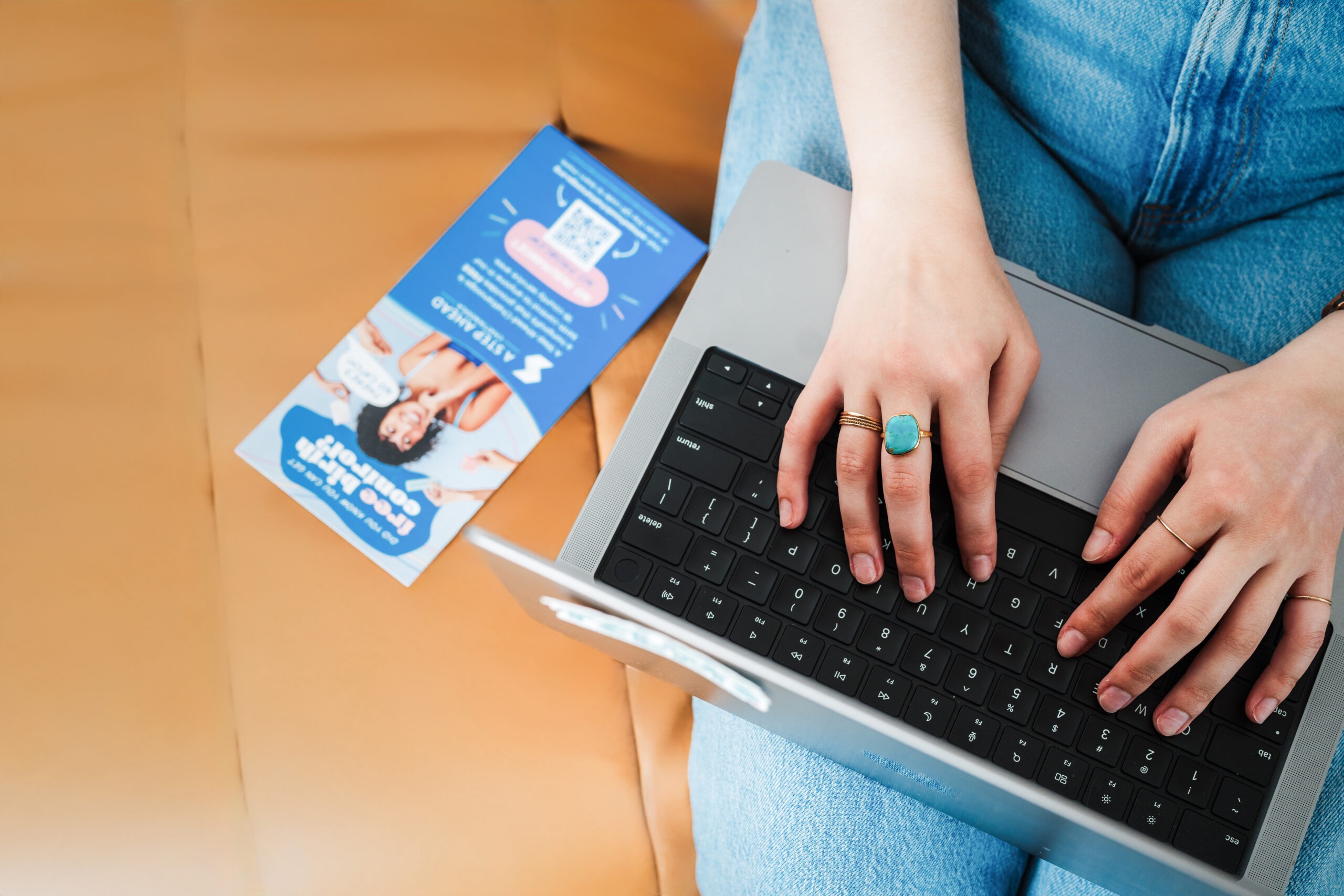
If you live in a rural county, you probably already know that seeing a healthcare provider can take some serious planning. You might need to find a ride, take time off work, arrange childcare, or drive an hour or more each way to reach the nearest clinic. For many people in our region, those hurdles can put care out of reach.
Having a telehealth option is one way we try to help close a small part of that gap when it comes to birth control access. Through our telehealth partnership, birth control pills are easier to get for people who can't easily make it to a clinic. It isn't a replacement for local, in-person providers, and it doesn't work for every method. But for some people, it means less time on the road, fewer logistics to juggle, and one more way to get the birth control they want.
Here's a look at why birth control can be so hard to access in rural communities, how telehealth can help, and why improving access takes more than one solution.
November 19 is National Rural Health Day, a day set aside each year to recognize the providers, organizations, and communities working to meet the healthcare needs of rural America. We're proud to be part of that work.
You may have heard the term “contraceptive desert.” Researchers at Power to Decide and the Guttmacher Institute now use the term “access gap” to describe communities where the need for low- or no-cost birth control is greater than the services available.
Nationwide, an estimated 21.4 million women of reproductive age live in a county with an access gap.
We see that gap in our region, too. A Step Ahead Chattanooga's 18-county service area is home to an estimated 81,430 women of reproductive age who need publicly funded birth control. But only 41 publicly funded clinics offer any type of birth control care, and just 20 offer the full range of methods.
Local clinics can meet less than 20% of the need in every county we serve
Share of the need for low- or no-cost birth control that publicly funded clinics can meet, by county
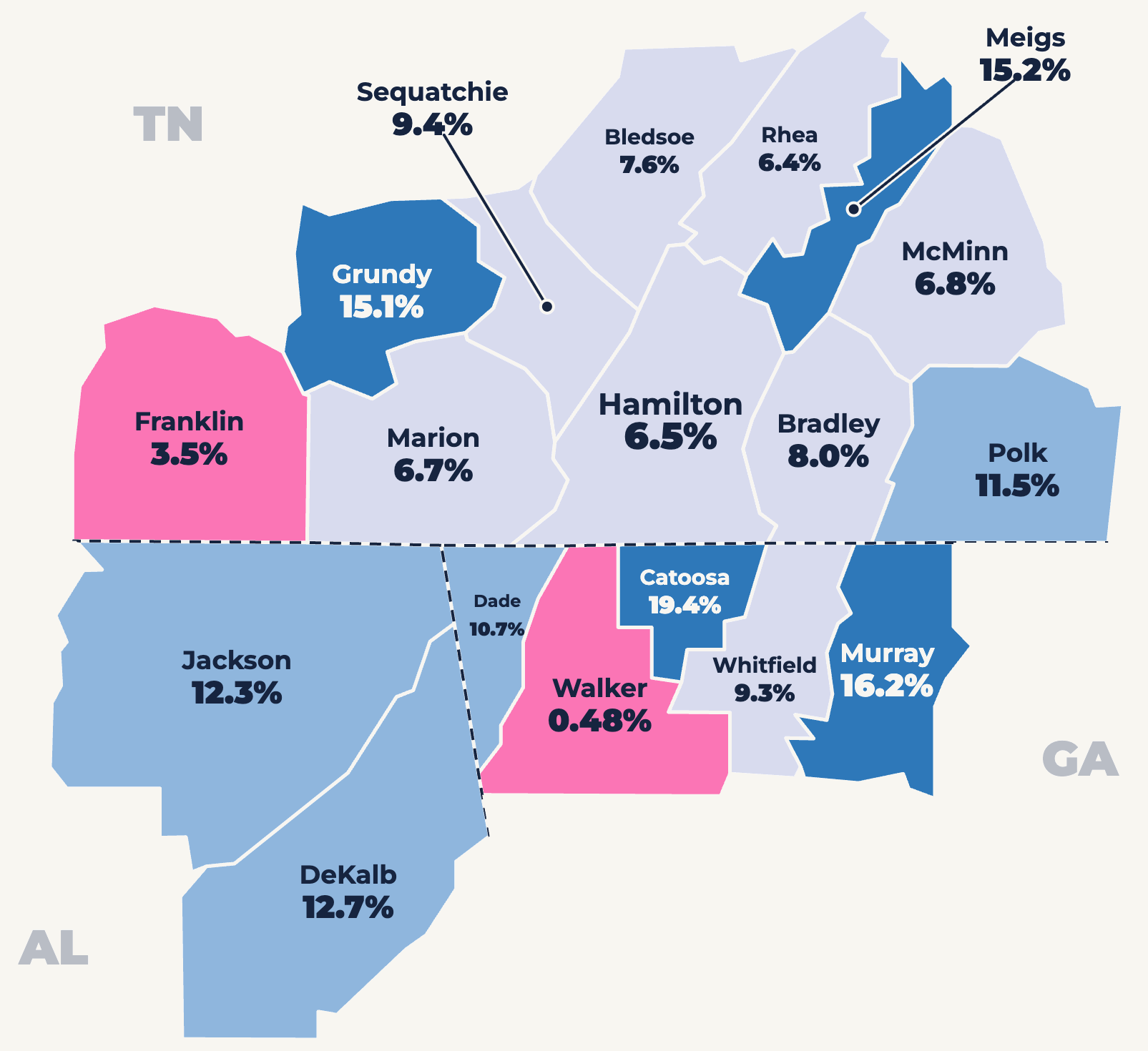
Many of those clinics are health department locations where a provider may only be available once or twice a month. For someone balancing work, school, childcare, or transportation, even getting an appointment can be a challenge.
And many communities are losing providers altogether. Between 2022 and 2024, four Tennessee counties in our service area, Bledsoe, Marion, Rhea, and Sequatchie, lost all of their OB/GYN providers. Grundy County had none to begin with. In Bradley, McMinn, Meigs, and Polk counties, the number of people per provider jumped from about 9,400 to more than 50,000.
This isn't just a local problem. According to March of Dimes, 57.9% of rural U.S. counties have no obstetric clinician, compared with 19.4% of urban counties.
For people living in rural communities, fewer providers can mean longer drives, longer waits, and fewer options for care.
Source: Power to Decide and Guttmacher Institute: Contraceptive Access Maps.
Source: Guttmacher Institute: Contraceptive Needs .
We offer transportation assistance because getting to an appointment can be a barrier all by itself. But even with a ride, an in-person visit can mean hours off work, childcare arrangements, and a long day on the road.
Take someone in Bledsoe County who wants an IUD. They may need to take time off work, arrange for someone to pick their kids up from school, and drive 45 minutes or more each way to a clinic. Depending on the clinic, the first visit may be a consultation, with another trip needed for the insertion and possibly a follow-up appointment.
That's a lot of time and planning just to get the method you want.
The COVID-19 pandemic changed how people accessed healthcare. In-person appointments became harder to get as providers focused on the public health emergency and clinics adjusted their services. Telehealth became one way to keep some types of care available when in-person options were limited.
We saw an opportunity to use telehealth to help fill a small part of that gap. Before 2020, A Step Ahead didn't cover short-acting methods like the birth control pill. In 2021, we launched a partnership with a birth control telehealth provider, giving people another way to connect with a provider while expanding the birth control methods available through ASAC.
Today, anyone living or going to school in our service area can meet with a provider from their phone or computer, and their birth control pills are mailed straight to their home.
For someone who lives far from a provider, telehealth can mean skipping a long drive or not having to wait for the next health department clinic day. It also means that if the pill is the method someone wants, they have another way to get it. We want people to have access to the birth control method that works for them, not simply the one that's easiest to access.
The pill is one of the most commonly used birth control methods in the United States. Among women ages 15–49 who used birth control in 2022–2023, 23% used the pill and 21% used condoms.
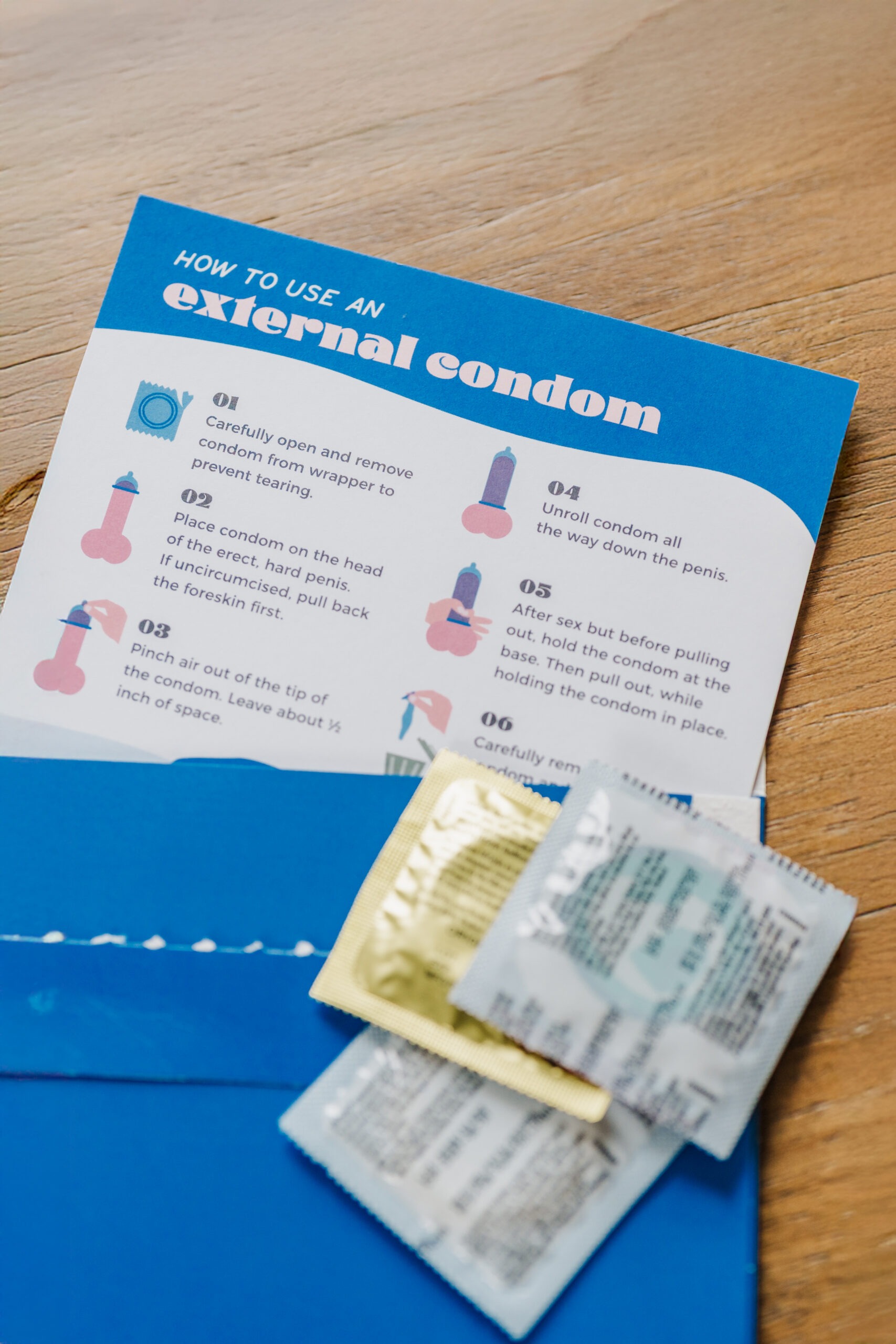
We also mail condoms for free, a service that began during the COVID-19 pandemic and continues today. In 2026, we've mailed more than 4,400 condoms so far.
Today, more than 10% of the people we serve use our telehealth option.
Source: Guttmacher Institute: Contraceptive Use in the United States by Method.
Telehealth makes care easier to reach for many people, but not for everyone.
A virtual appointment still requires a reliable phone or computer and internet access. For people without consistent access to technology or reliable internet, telehealth may not be an easier option.
Navigating healthcare can also be a barrier. Knowing where to go, how to get started, and what to expect from a virtual visit can make a difference in whether someone feels comfortable using telehealth.
And telehealth isn't the right fit for every birth control method. Many methods, like IUDs and the implant, will still require an in-person appointment with a healthcare provider.
Improving access takes more than putting healthcare online. At A Step Ahead, telehealth is one of several ways we help make birth control easier to access, alongside in-person care, transportation assistance, education, and support.
Telehealth can't replace local providers or in-person care, but it can give people another option when getting to a clinic is difficult.
The goal is simple: where you live shouldn't determine whether you can access the birth control that's right for you.
If you live in one of the 18 counties A Step Ahead serves and want to explore your birth control options, we can help. You don't need insurance to get started.
You can schedule an appointment, learn more about our telehealth option, or call our appointment line at 423-265-7837, Monday through Thursday, 10 am to 4 pm ET.
Curious what a telehealth appointment actually looks like? Read our guide: What to Expect From a Telehealth Visit.