
TL;DR: The quick version
- Perimenopause can begin as early as your mid-30s and last up to 8 years before menopause.
- You can still get pregnant during perimenopause. Birth control is still relevant, and may even help with symptoms.
- Your birth control needs may change during this transition. It's worth a conversation with a provider.
- A Step Ahead offers free birth control to eligible people in our 18-county area, including those navigating perimenopause.
If you search "perimenopause" online, you'll probably see images of women clutching their foreheads during hot flashes. Our culture has a habit of framing this stage of life as something to survive rather than understand. But perimenopause is actually a significant and navigable hormonal transition. And for people who want control over whether or when they become pregnant, it's a time that deserves real attention.
That's where A Step Ahead comes in. Our mission is to make sure that every person in our region has access to the birth control information and services they need, including during life transitions like perimenopause.
What is perimenopause, exactly?

Perimenopause is the transitional period before menopause, during which the body gradually produces less estrogen. It can begin as early as the mid-to-late 30s or as late as the mid-50s. Menopause itself is reached when someone has gone a full year without a menstrual period; after that point, pregnancy is no longer possible. But until then, the picture is more complicated than many people realize.
While menopause is a single moment, perimenopause can span four to eight years. Think of it as a slow hormonal transition: the body is gradually shifting gears, but it hasn't fully stopped yet. During that window, ovulation and the possibility of pregnancy can and does still occur.
⚠️ Important: You can still become pregnant during perimenopause. Even with irregular periods, ovulation continues and can be unpredictable. If you are not planning a pregnancy, continuing to use birth control is important throughout this entire transition. Cleveland Clinic →
Signs you may be in perimenopause
Perimenopause symptoms vary widely. Some people experience one or two; others experience many at once. The list below is for general awareness only — if you're noticing changes in your body, please talk with a healthcare provider who has experience with menopause. A Step Ahead is not a medical provider and cannot diagnose, treat, or advise on perimenopause symptoms.
A note from A Step Ahead: We're a birth control access organization, not a medical provider. The information on this page is general health education. If you're experiencing symptoms you think may be related to perimenopause, please consult a gynecologist or a provider with menopause-specific experience. The Menopause Society's provider directory is a good place to start.
Not knowing what's driving these changes can make them feel more disorienting. And here's something that surprises many people: testosterone (and therefore libido) often spikes during perimenopause, even as estrogen fluctuates. That increase in sexual interest, combined with unpredictable ovulation, is exactly why unplanned pregnancies during perimenopause are more common than most people expect. According to the Reproductive Health Access Project, ovulation still occurs in roughly 87% of cycles up to five years before menopause.
Your birth control needs may change: here's why it matters
Just because fertility is declining doesn't mean contraception is optional. Until you have reached full menopause (12 consecutive months without a period), pregnancy prevention is still relevant for anyone who is sexually active with someone who can cause pregnancy and does not want to become pregnant.
The good news: talking with a provider about birth control during this transition is valuable for more than one reason. Several contraceptive methods can also help manage the symptoms of perimenopause, including hot flashes, irregular bleeding, and mood changes. UW Medicine has a helpful overview →
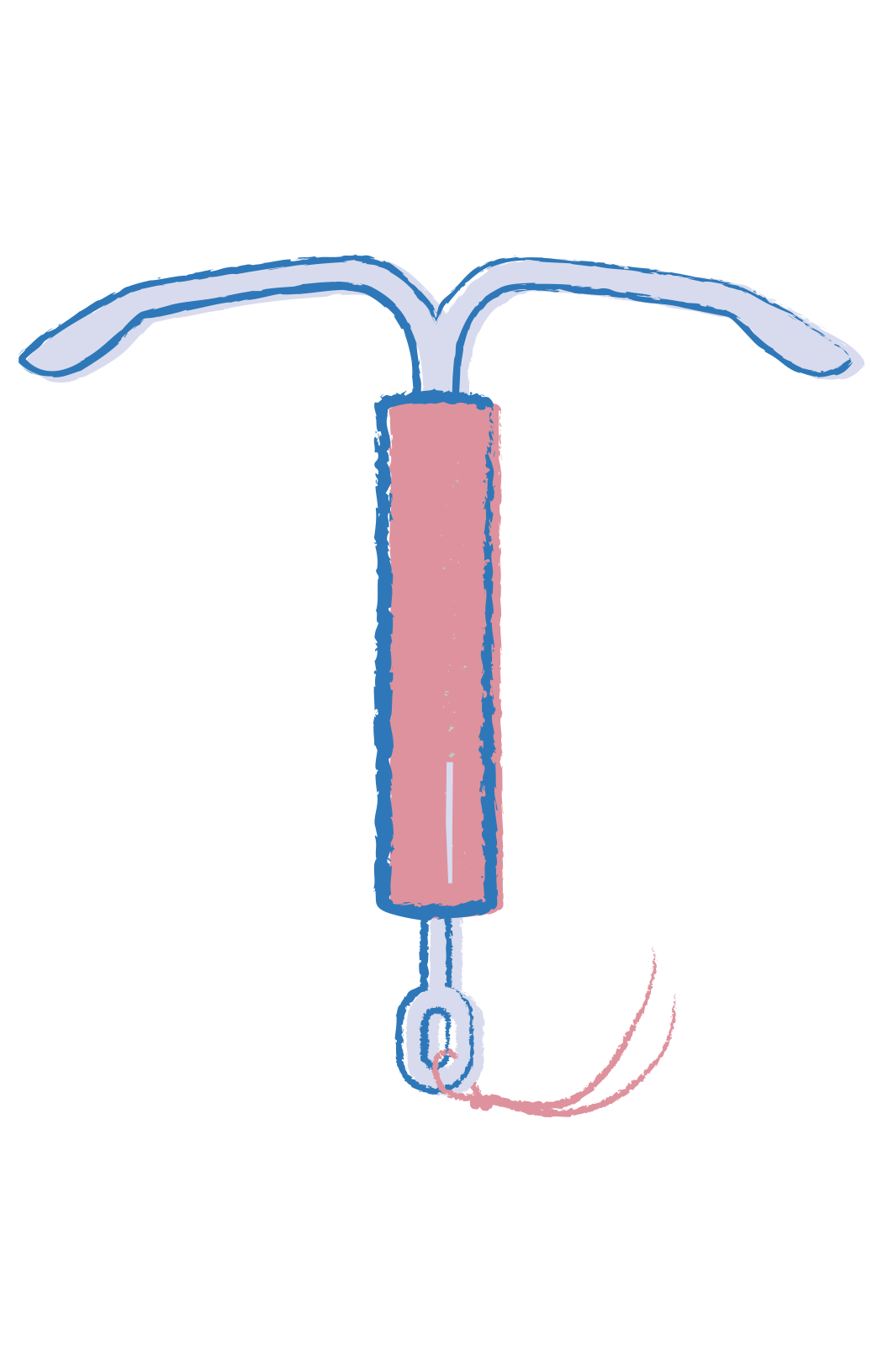
Hormonal IUD
Highly effective and long-acting. Can reduce heavy or irregular bleeding, one of the most common perimenopause complaints.
Learn more
Combination Pill
May help regulate irregular cycles, reduce hot flashes, and stabilize mood changes during perimenopause for some people.
Learn more
Progestin-Only Pill
An option for those who cannot take estrogen. Can manage irregular bleeding and provide reliable contraception.
Learn more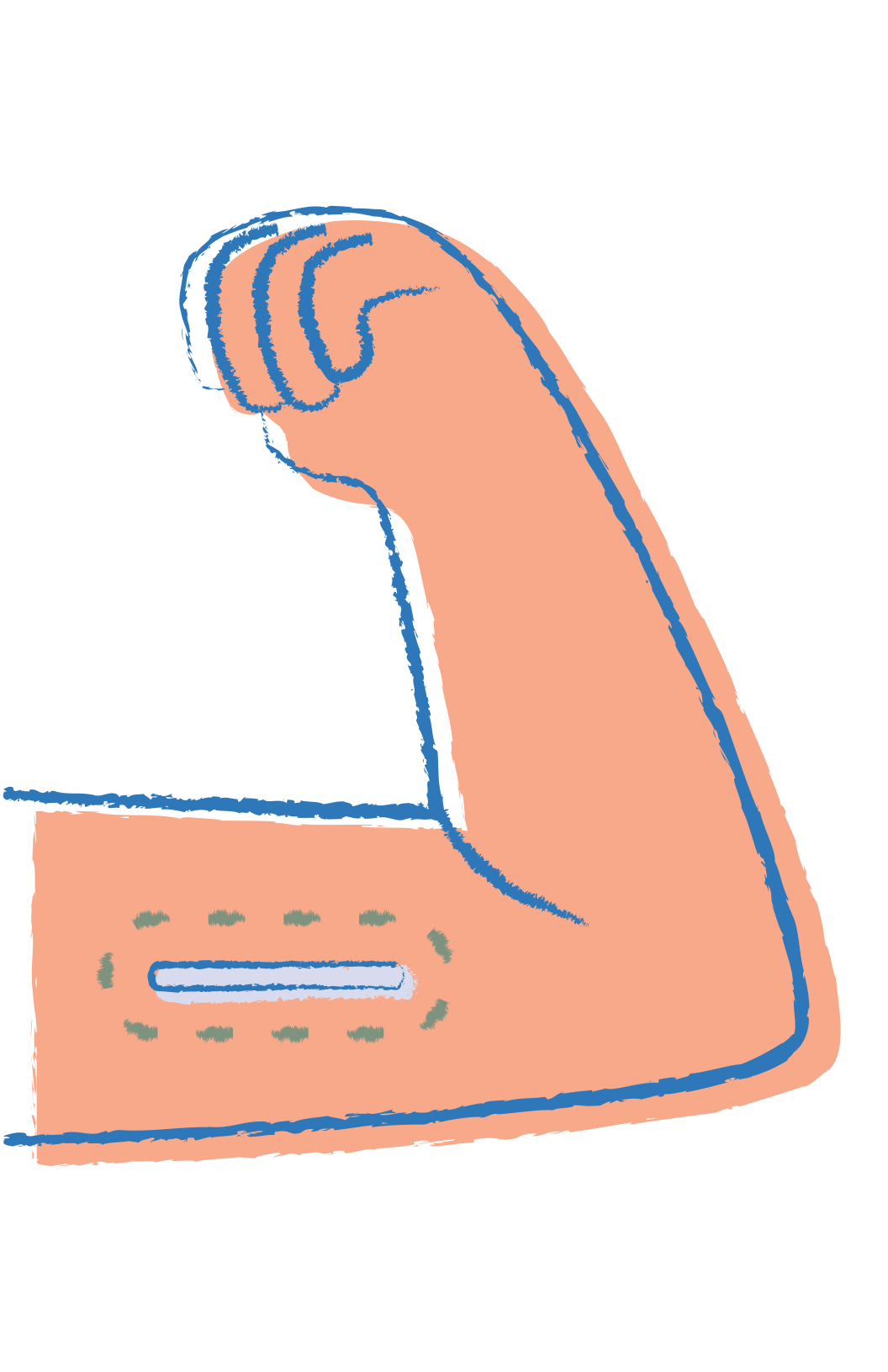
Implant
Long-acting and highly effective. A low-maintenance option that removes the need to think about contraception daily.
Learn more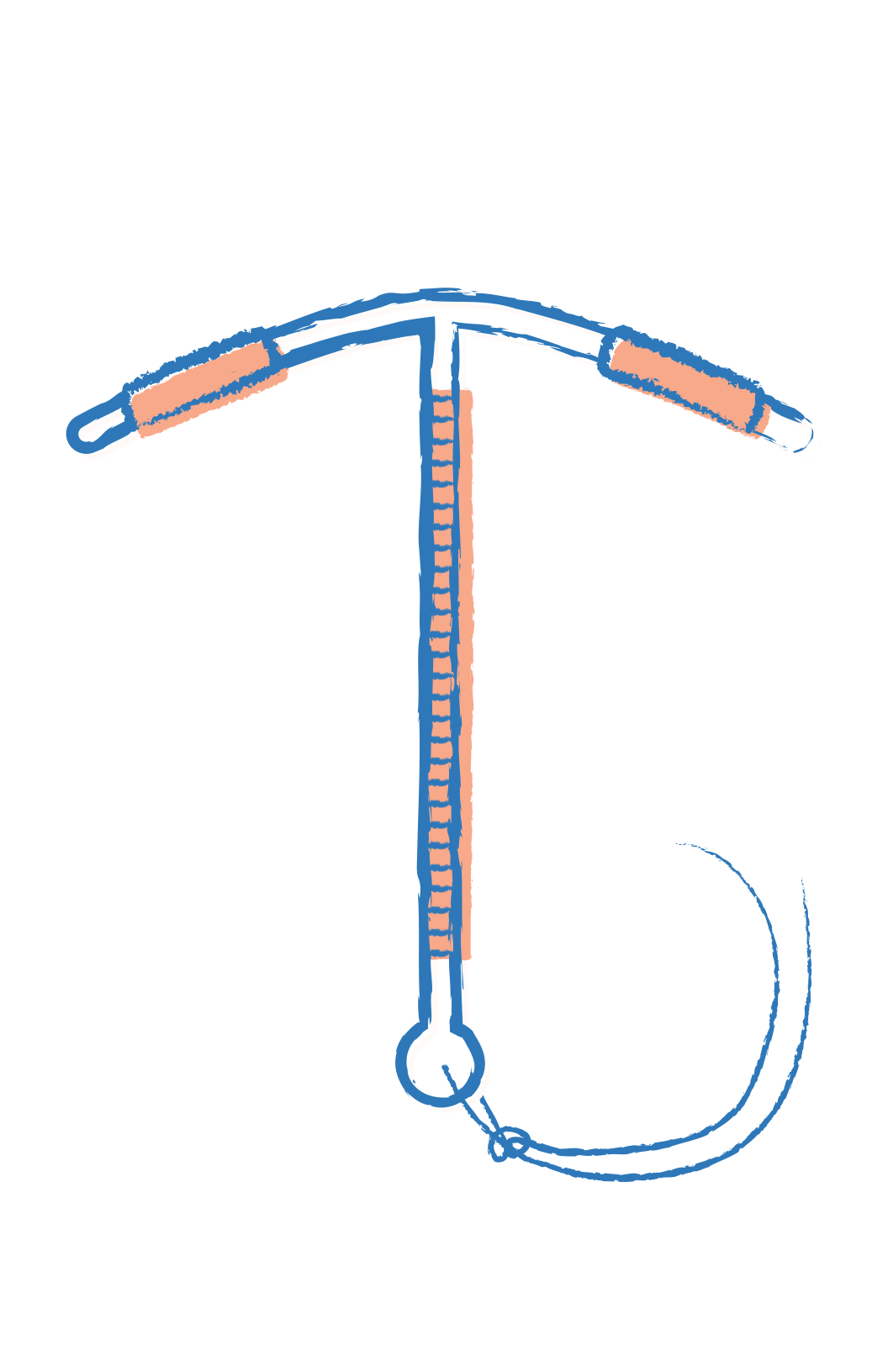
Non-Hormonal IUD
The copper IUD works without hormones and is effective for up to 10 years, a good option for those avoiding hormonal methods.
Learn more
Condoms
The only method that also protects against STIs. Worth considering alongside other methods, especially if your sexual network changes.
Learn moreA healthcare provider can help you figure out which method fits your health history, your symptoms, and your goals. If you don't have access to affordable care, A Step Ahead can help: our services are free for eligible individuals in our 18-county service area.
🧪 A note on STIs: Vaginal dryness (a common perimenopause symptom) can increase susceptibility to sexually transmitted infections. If your sexual situation is changing during this time of life, it's worth talking to a provider about STI screening and protection.
Tracking your cycle during perimenopause
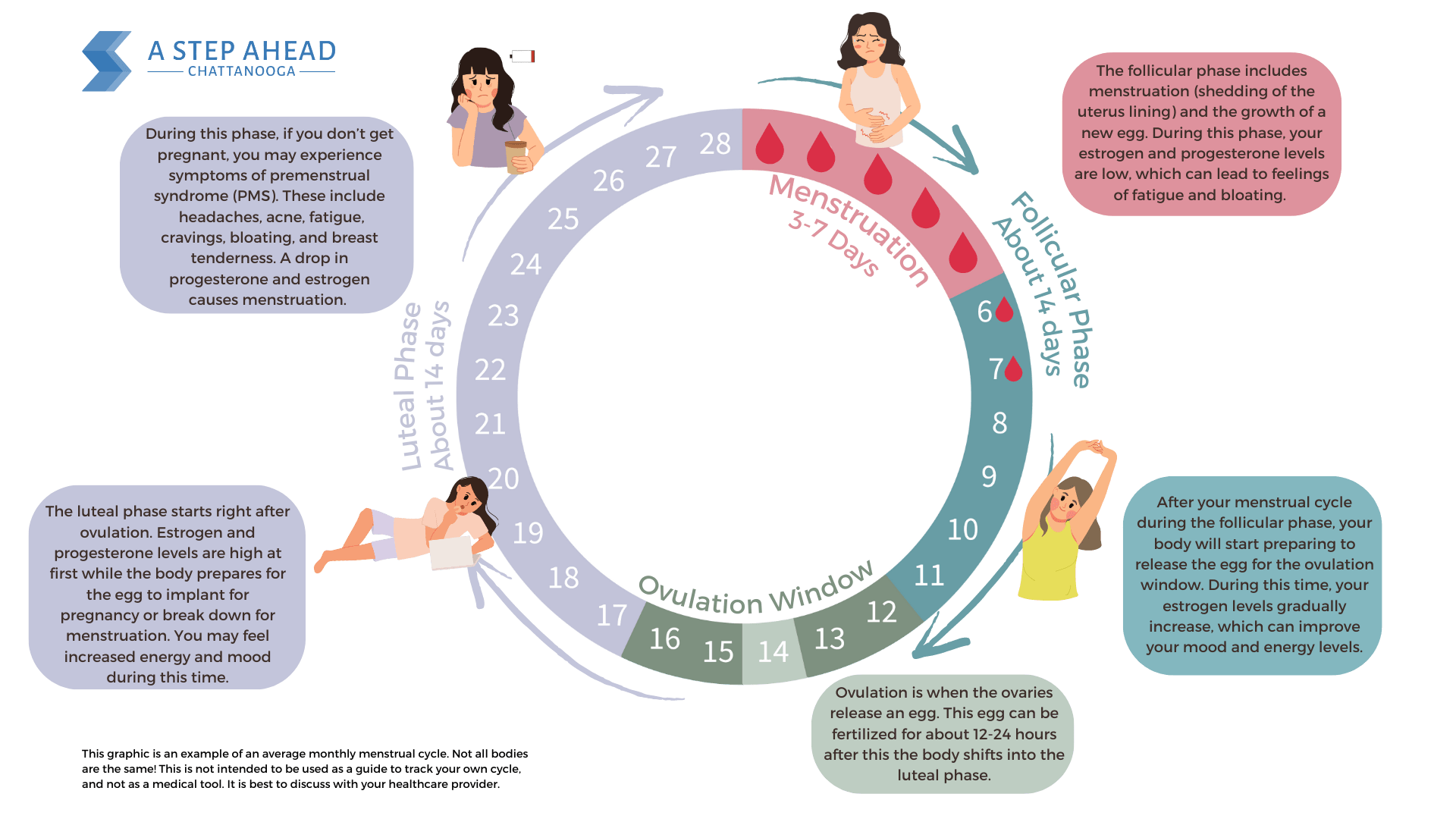
When your periods become irregular, it can be difficult to know when or whether you ovulated in a given month. Menstrual Cycle Awareness (MCA) is a self-led practice of noting where you are in your cycle and paying attention to changes in your body over time. While MCA is not a reliable stand-alone contraceptive method during perimenopause (because ovulation becomes unpredictable), it can help you:
- Identify patterns in your symptoms and energy levels
- Recognize changes that are worth discussing with a provider
- Better understand your body as it moves through this transition
- Have more productive conversations about contraception and symptom management
Ovulation typically occurs around 11 to 14 days after the first day of your period, but with irregular cycles, this window shifts. That unpredictability is precisely why a reliable contraceptive method (in addition to cycle tracking) matters during perimenopause.
You deserve support during this transition
Perimenopause is not a cliff; it's a gradual shift that many people navigate successfully with the right information and support. Feeling informed about what's happening in your body, knowing your contraceptive options, and having access to a provider you trust can make an enormous difference.
Video Series · Local Expert
Perimenopause & Menopause with Lauren Barlew, WHNP-BC
Lauren Barlew is a Women's Health Nurse Practitioner and owner of Lotus Center for Women in Chattanooga. This video is part of A Step Ahead's series on reproductive health across every stage of life.
If symptoms are significantly affecting your quality of life, a gynecologist or provider with menopause-specific experience can help. The Menopause Society's provider directory is a good place to find someone in your area.
Want a full overview of birth control options?
Our previous post breaks down every method we cover, including how each works, effectiveness rates, and who they might be right for.
Read: Birth Control Methods for You →Free birth control, including during perimenopause
If you're in our 18-county service area and want to talk through your birth control options, we're here. No cost. No judgment. Just support for whatever your next step is.
Schedule an Appointment Call (423) 265-7837